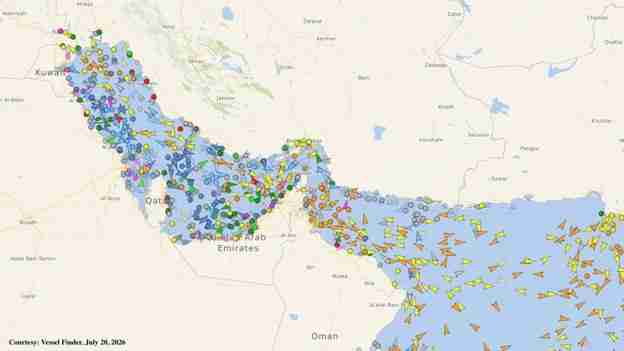
A new study published in Biological Invasions warns that the prolonged closure of the Strait of Hormuz and the resulting lay-up of more than 1,500 commercial vessels could trigger a significant global marine invasive species event. Researchers from the University of Maryland Center for Environmental Science, Woods Hole Oceanographic Institution, and other international partners found that ships left idle for extended periods accumulate dense growths of algae, barnacles, mussels, and other marine organisms on their hulls. When these vessels return to service, they could transport invasive species to ports around the world, creating what scientists describe as a potential bio-invasion “super-spreader” event. The authors are urging ship operators, port authorities, and regulators to strengthen biofouling management, enhance monitoring at high-risk ports, and improve international coordination to mitigate the ecological and economic impacts of invasive species introductions.